| | This edition of the Capacity Connection e-newsletter from the Effi Barry Training Institute highlights strategies and resources that support mental health, well-being, recovery, and better health outcomes for communities disproportionately impacted by HIV. With several awareness observances taking place this month, September is a time to recognize the strength, resilience, and diverse experiences of communities impacted by HIV and substance use. These observances remind us that advancing health equity requires more than just access to care; it requires culturally responsive, trauma-informed, and whole-person approaches that honor the lived experiences of individuals and communities. | | In This Issue: - Upcoming Live Webinar on 9/15: A Team-Based Approach to Healthy Aging with HIV
- Resources on Healthy Aging
- Resources for National Recovery Month
- No-Cost Technical Assistance
| |  | | | 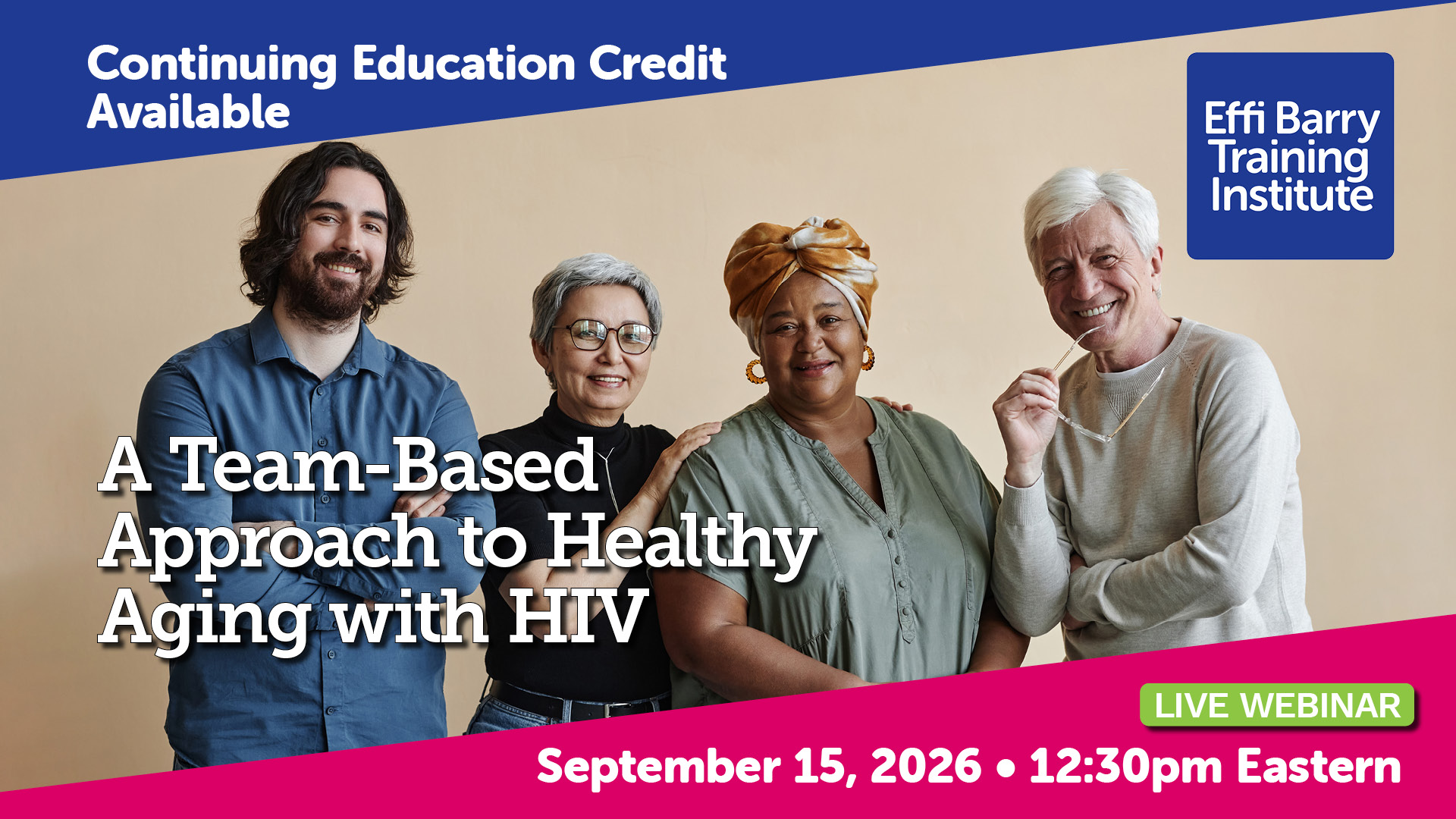 | As the population of older adults living with HIV continues to grow, coordinated, multidisciplinary care is increasingly important to address the complex medical, behavioral, and social needs of this population. This webinar on Tuesday, September 15, 2026 at 12:30pm Eastern will explore strategies for integrating healthcare providers, case managers, behavioral health professionals, pharmacists, peer navigators, and community-based organizations to deliver comprehensive, person-centered care. Participants will examine common challenges to care coordination, opportunities for interdisciplinary coordination, and approaches to improving health outcomes, quality of life, and healthy aging among older adults
living with HIV. | | | |  | | | September Awareness Observances and Resources | | National HIV/AIDS and Aging Awareness Day: Friday, September 18, 2026 | | National HIV/AIDS and Aging Awareness Day (NHAAD) is observed each year on September 18 to focus on the increasing number of people who, because of major advancements in HIV treatment, are living long, full lives with HIV. The awareness day also calls attention to their unique health and social needs, as well as the challenges of HIV prevention, testing, treatment, and care among people who are aging. In recognition of National HIV/AIDS and Aging Awareness Day and to support your work with older adults impacted by HIV, check out the below resources from the Effi Barry Training Institute. | | 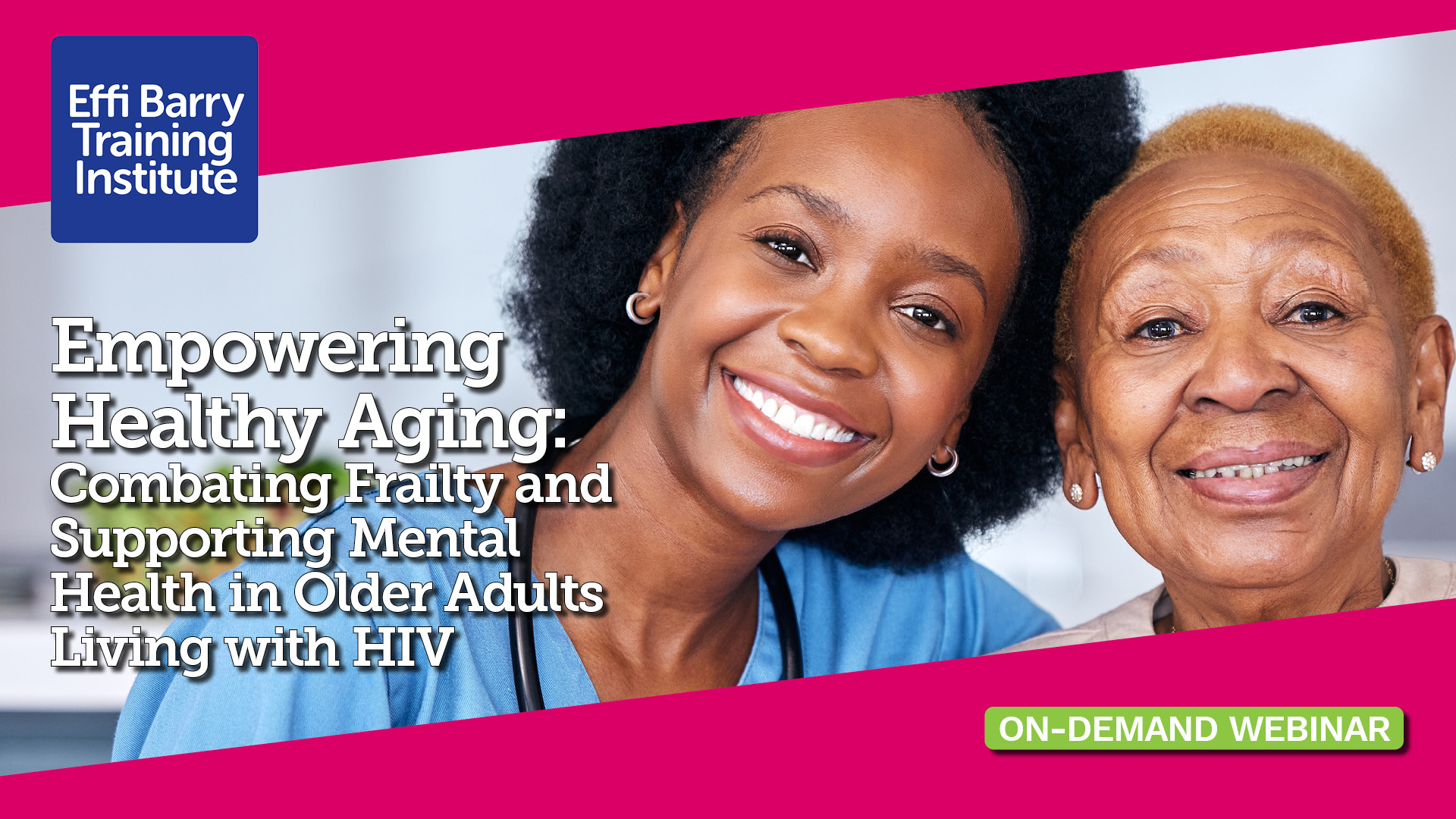 | Empowering Healthy Aging:
Combating Frailty and Supporting Mental Health in Older Adults Living with HIV This engaging two-hour on-demand webinar focuses on helping older adults living with HIV stay strong in body and mind. Learn how to fight frailty, boost emotional wellness, and build resilience among older adults living with HIV – helping them to not just survive, but truly thrive. | | | | | | 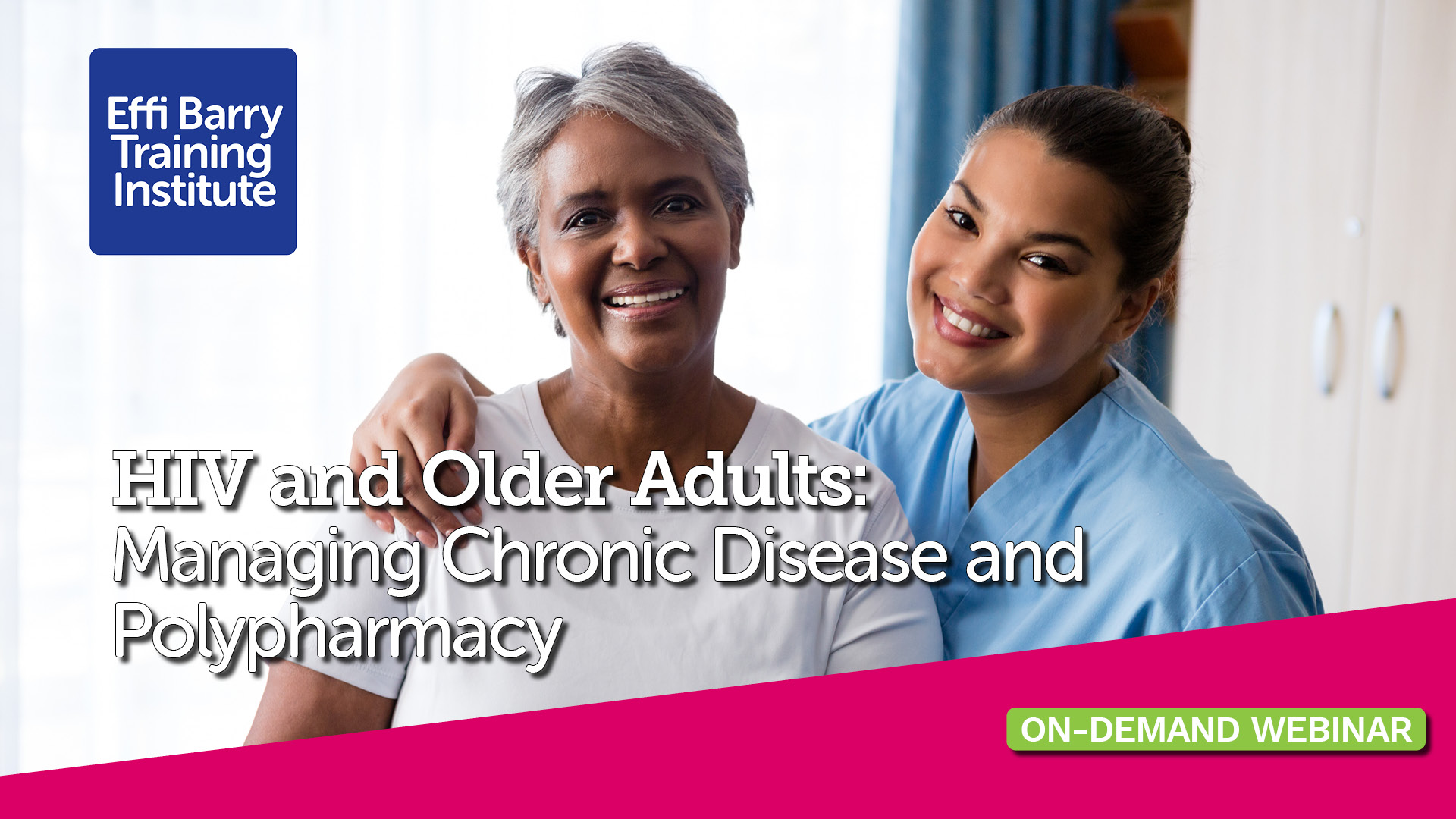 | HIV and Older Adults: Managing Chronic Disease and Polypharmacy This on-demand webinar focuses on the unique healthcare needs of older adults living with HIV. Faculty explore the challenges of managing multiple chronic conditions alongside HIV, as well as the complexities of using multiple medications, known as polypharmacy. The session reviews strategies for optimizing care, minimizing drug interactions, and improving overall health outcomes in this growing population. | | | | | | | | National Recovery Month: September 2026 | | National Recovery Month takes place every September. This year’s theme is "Recovery is REAL (Restoring Every Aspect of Life)." This annual observance increases public awareness of mental health and addiction recovery, celebrates individuals in long-term recovery, and honors the communities and service providers who support them. HIV prevention workers in the DMV know firsthand that substance use disorders, mental health challenges, and HIV risk do not exist in isolation. Addressing substance use through a supportive, compassionate lens is one of our most powerful tools for increasing PrEP adherence, reducing new HIV transmissions, and achieving better health outcomes among people who use drugs. Explore the below resources from the Effi Barry Training Institute to enhance your skills this National Recovery Month. | | 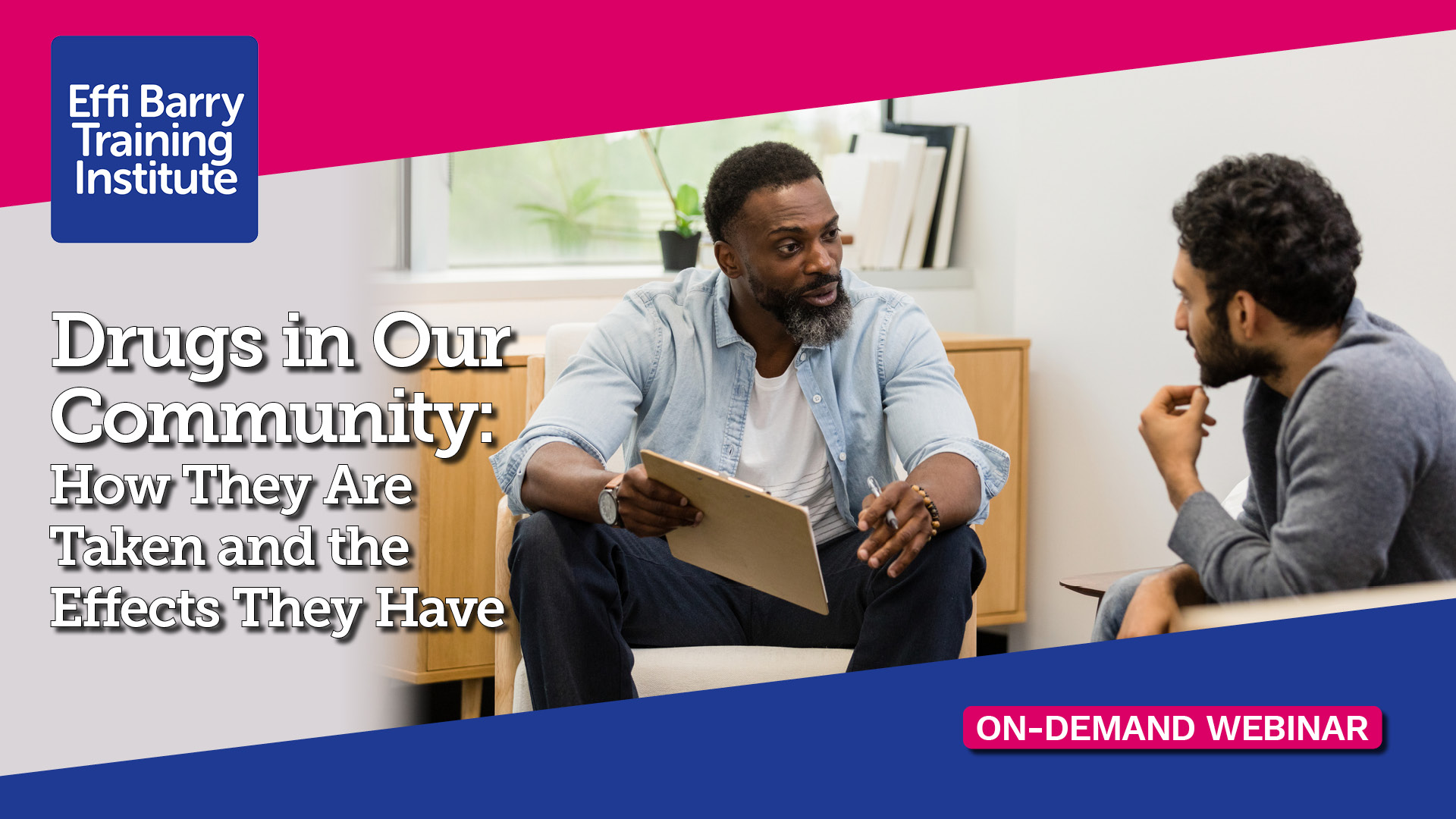 | Drugs in Our Community: How They Are Taken and the Effects They Have This 90-minute on-demand webinar provides a comprehensive overview of the common drugs used within our Washington, DC communities. Faculty review the risks associated with different methods of intake and related behaviors, along with health concerns, including HIV and hepatitis. Participants will familiarize themselves with the range of substances used, as well as the variety of methods people use to take them. Participants will gain the skills to conduct a comprehensive, respectful assessment to work effectively with clients who use drugs and engage in meaningful and impactful dialogue. | | | | | | | | Recruiting and Retaining Peers to Support Prevention and Care | | The purpose of this downloadable manual is to guide those in leadership roles within HIV/STI, as well as substance use-focused organizations, to recruit, retain, and develop peers as part of an effective public health prevention workforce. Too often, organizations with the best intentions hire peers
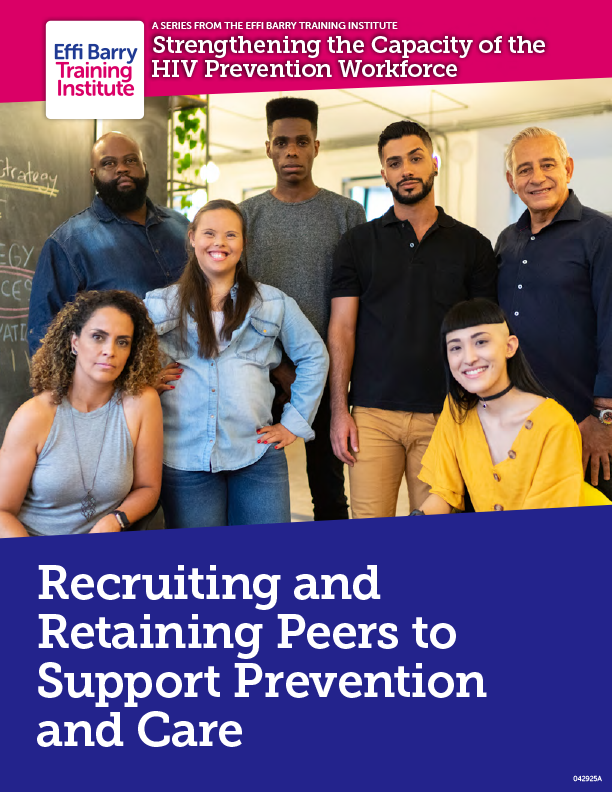
without a framework for success which leads to high turnover, peer dissatisfaction, and a depletion of already scarce resources. However, by understanding the value of peers, including them in programming, and integrating them into existing staff culture using evidence-based
strategies, leaders can ensure longevity within their teams and greater health outcomes for their clients. | | | | | | | |  |
NO-COST Technical Assistance | | The Effi Barry Training Institute offers free training and technical assistance to current and prospective HAHSTA grantees and community-based organizations throughout the DMV. Areas of support include: - HIV prevention and care service delivery
- Cultural responsiveness and community engagement
- Trauma-informed practices
- Health systems navigation
- Data and quality improvement
- Emerging evidence-based HIV prevention strategies
Whether you need individualized consultation, staff training, or organizational capacity-building support, our team is here to help. Submit a Technical Assistance Request form to connect with EBTI today or scan this QR code: | |  | | | | | | | | | | | | | The Effi Barry Training Institute, led by HealthHIV, provides training and technical assistance to support current and prospective HAHSTA grantees and community-based organizations in implementing fee-for-service business models; basic HIV service competencies; advanced skills in health care systems; data and health informatics; high-impact prevention programs; and emerging evidence-based or informed approaches through a series of group trainings, boot camps, community forums, and individual consultation. | | | | This project is funded wholly, or in part, by the Government of the District of Columbia, Department of Health, HIV/AIDS, Hepatitis, STD, and TB Administration (HAHSTA). | | | | | | | | | | For the latest program updates, follow us on: | | | | | | | | |