| | Welcome to the March 2026 edition of the Capacity Connection, your e-newsletter from the Effi Barry Training Institute (EBTI), offering curated training opportunities, timely tools, and key updates to support HIV prevention in Washington, DC. | | In This Issue: - Women's History Month, March 2026: Focus on HIV Prevention for Women and Girls
- National LGBTQ Health Awareness Week, March 16 - 20, 2026
- No-Cost Technical Assistance
| |  | March Awareness Observance: Women's History Month
Focus on HIV Prevention for Women and Girls | | March is Women’s History Month, a time dedicated to honoring the remarkable contributions of women throughout history. For 2026, the National Women’s History Alliance (NWHA) proudly presents the theme: "Leading the Change: Women Shaping a Sustainable Future." This theme honors the women who have and are reimagining and rebuilding systems to ensure long-term sustainability - environmental, economic, educational, and societal. It recognizes the powerful leadership of women in creating a future that is rooted in equity, justice, and opportunity for all. In that spirit, we invite you to view the following resources focused on advancing women’s health and well-being. - On-Demand Training - Breaking Barriers: HIV Awareness, Prevention, and Advocacy for Black Women and Girls
This session explores complex social determinants and highlights effective strategies for raising HIV awareness, improving screening, and enhancing prevention efforts within Black communities. Participants will examine the crucial roles of healthcare providers, community leaders, and advocates in supporting HIV prevention tailored to the specific needs of Black women and girls.
- On-Demand Training - PrEP: Preventing HIV in Women Across the Lifespan
This dynamic session emphasizes the importance of empowering women in HIV prevention at each stage of life, including discussion of strategies for engagement and barriers to care.
- On-Demand Training - Stronger Futures: Re-Entry Support for Black Women with HIV
This powerful webinar spotlights the resilience of Black women living with HIV as they return to their communities after involvement in the justice system. This session uncovers how stigma, systemic inequities, and gaps in care shape health outcomes, while also providing real-world strategies that work.
- Fact Sheet - Key Strategies and Community-Driven Approaches to Addressing Incarceration, HIV, and Black Women in DC
This guide provides policymakers, healthcare providers, advocates, and community organizations with strategies to address the overlapping crises of incarceration, HIV, and racial disparities affecting Black women in Washington, DC. It highlights the systemic challenges these women face, shares a personal narrative to illustrate their experiences, and presents actionable community-driven approaches to improve health and reentry outcomes. | | | | | | 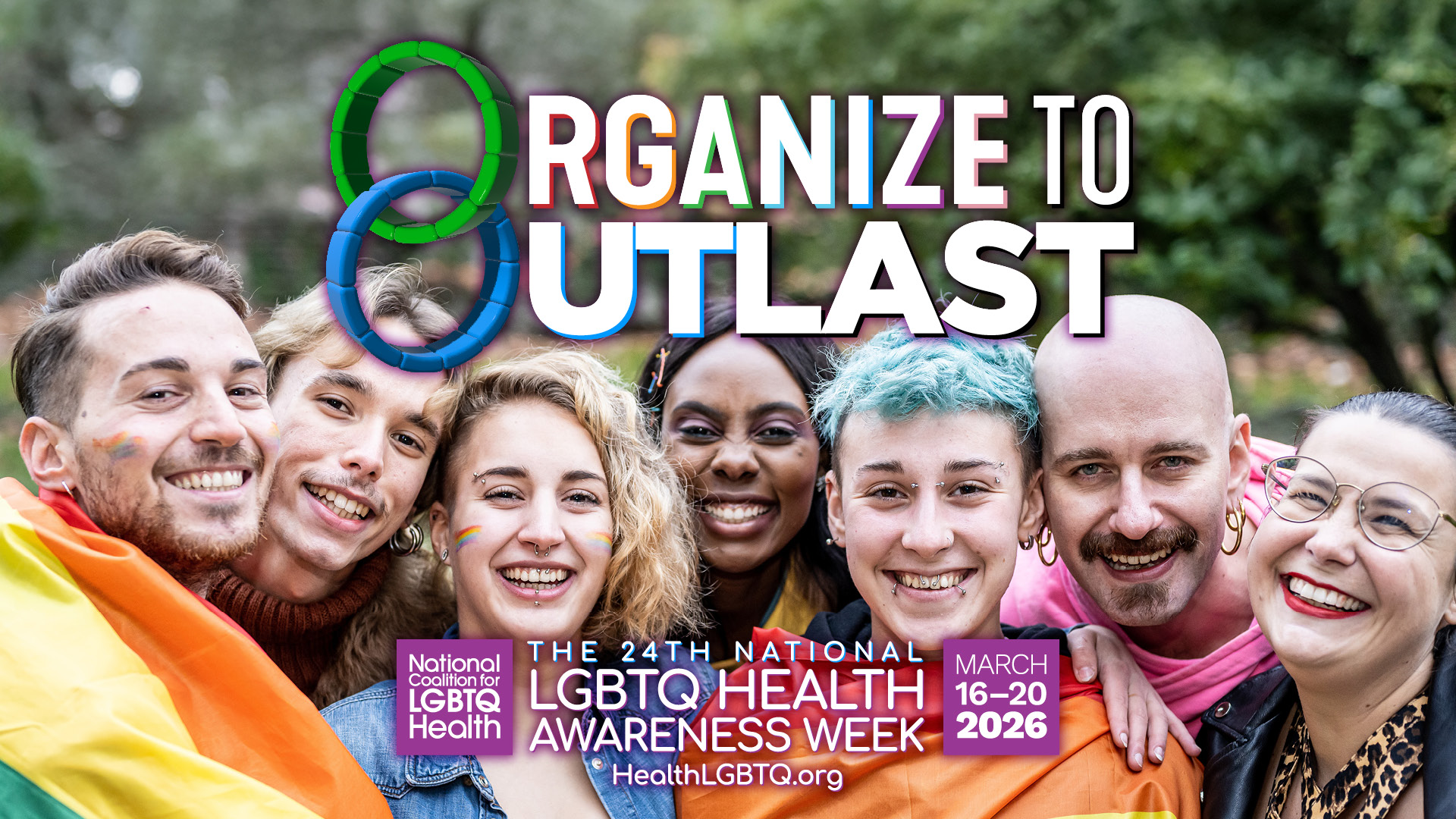 | The 24th National LGBTQ Health Awareness Week
March 16 - 20, 2026 | | The 24th National LGBTQ Health Awareness Week, being held March 16 - 20, 2026, is an opportunity to engage with organizations conducting crucial health equity work, to inform the public about the importance of LGBTQ health, and to unite providers, LGBTQ communities, and allies for the advancement of real solutions that remove barriers and improve health for us all. This year's theme is "Organize to OUTlast." This theme calls on the LGBTQ community and those who provide healthcare for LGBTQ communities to organize for LGBTQ health against regressive forces in policy and culture. Organize to OUTlast assures us that together, the LGBTQ community and LGBTQ health services will survive, thrive, and persevere through these challenging times and beyond. | | | |  |
NO-COST Technical Assistance | | The Effi Barry Training Institute is dedicated to empowering current and prospective HAHSTA grantees and community-based organizations with the knowledge and tools to thrive. We offer targeted training and technical assistance across a variety of key areas. We provide technical assistance for: - Navigating the Fee-for-Service business process
- Mastering foundational HIV service competencies
- Advancing expertise in healthcare systems, data, and health informatics
- Implementing high-impact prevention strategies (including biomedical models)
- Integrating emerging evidence-based practices
Our approach blends group-level training, hands-on boot camps, dynamic community forums, and tailored one-on-one consultations. At HealthHIV, we believe in the power of holistic, patient-centered care. Our capacity-building efforts are designed to help organizations enhance patient outcomes, drive efficiencies, and maintain long-term sustainability. Through our innovative approach, we build robust, sustainable systems and services that address every stage of the HIV care continuum. Submit a Technical Assistance Request form to connect with EBTI today or scan this QR code: | |  | | | | | | | | | | | | | The Effi Barry Training Institute, led by HealthHIV, provides training and technical assistance to support current and prospective HAHSTA grantees and community-based organizations in implementing fee-for-service business models; basic HIV service competencies; advanced skills in health care systems; data and health informatics; high-impact prevention programs; and emerging evidence-based or informed approaches through a series of group trainings, boot camps, community forums, and individual consultation. | | | | This project is funded wholly, or in part, by the Government of the District of Columbia, Department of Health, HIV/AIDS, Hepatitis, STD, and TB Administration (HAHSTA). | | | | | | | | | | For the latest program updates, follow us on: | | | | | | | | |